A useful insurance comparison asks what happens in a particular situation, not simply whether an offer contains the word insurance. Vrenty Car explains how to examine cover for a Dalaman rental before driving towards your coastal base. This is practical information, not legal or personalised insurance advice. Localrent handles the reservation; the rental company supplies the vehicle, and the actual protection wording and rental agreement determine the arrangement.
Read the cover as three connected questions
First ask which event or damage is included. Then ask what financial responsibility remains. Finally, ask what you must do for the stated protection to apply. These questions belong together: an attractive excess figure is incomplete without the scope and reporting conditions.
Use the selected vehicle's details rather than a general description of a destination or class. If you change the car, revisit the protection. Similar vehicles can be supplied under different conditions, and a replacement should not be accepted on an assumed carryover of every detail.
Write down any term you cannot connect to an actual outcome. Ask the provider to explain it using the chosen offer. A precise question about a windscreen event is more useful than asking whether the car has the best insurance.
Start the broader comparison at Dalaman Car Rental, then examine protection alongside driver eligibility, payment and vehicle fit. The objective is a collectable, usable booking with understood responsibilities.
Separate the deposit from the claim calculation
A deposit concerns security held or collected under the agreement. An excess concerns responsibility retained for a covered claim. The amount of one does not automatically define the other or set a maximum for every possible charge.
An offer with zero deposit can still leave a payable excess or excluded damage. A protection upgrade can reduce an excess while the supplier still requires security. Record the two figures separately so a convenient pickup feature does not obscure the incident terms.
The Dalaman no-deposit guide explains that financial distinction. If your concern is available funds, ask about both the collection requirement and what could become payable after an event.
Consider whether a separate protection product reimburses an eligible payment later. That can be different from the supplier directly reducing a charge under its own arrangement. Confirm the process, required evidence and the need to pay first rather than inferring them from a product name.
| Question | Relevant term | Example of clarification needed |
|---|---|---|
| What money must be available at pickup? | Deposit and payment rules | Whether funds are blocked or collected |
| What might I pay for covered damage? | Excess | How the amount applies to an event |
| What damage falls outside cover? | Exclusions | Treatment of wheels, glass or interior |
| What must I do after an incident? | Reporting conditions | Contact, report and evidence requirements |
| Who pays before reimbursement? | Separate protection process | Whether an initial supplier charge remains due |
Look at excluded components before choosing an upgrade
Localrent's current Turkey terms identify wheels, underbody, windscreen and interior as excluded from standard insurance. Check whether the selected additional protection changes each relevant exclusion. A general label such as comprehensive does not establish that all components are included.
Use realistic rental situations to guide the questions. A scrape against a parking kerb, damaged glass or a spill while loading beach equipment may be treated differently from another covered event. The purpose is to understand the boundary before you encounter it.
Ask whether different types of damage have different excess amounts or documentation. If the wording does not say how a figure is applied, request clarification rather than assuming it is one maximum for the whole booking.
Do not buy an upgrade solely because a representative gives it a reassuring name. Ask what changes compared with the confirmed offer and what it costs for the full period. The decision should be based on the actual additional protection.
Connect road permissions with the itinerary
The documented Turkey rental conditions allow paved public roads and prohibit international border crossings. Protection should not be interpreted as permission to ignore those use restrictions. Vehicle type does not create an exception.
For Dalaman-region beaches, marinas and viewpoints, confirm the appropriate public-road approach. A place reached by boat in a tourism guide is not automatically reachable by car. A navigation shortcut onto a track may conflict with the agreement even when it looks convenient.
The Dalyan and Iztuzu route guide illustrates why access matters: the road-accessible beach end and a boat arrival at Dalyanagzi are different plans. Keep the car within the authorised land approach instead of trying to connect them across unsuitable surfaces.
If a property entrance or last section is uncertain, ask the accommodation and supplier before travelling. Resolving that question early is more useful than assuming additional protection will absorb the consequences of an unsuitable route.
Create a condition record that can answer a later question
Inspect before loading luggage so the cabin and boot remain visible. Photograph the entire vehicle and closer views of existing marks. Include wheels, glass, interior, fuel and mileage, and have the relevant damage recorded in the handover document.
Make the images understandable. A very close photograph without context can be hard to locate later, while only distant views may miss a visible mark. Keep both where useful and avoid relying on a rushed video that does not clearly show the area in question.
Ask about warning lights and test essential equipment. If something needs attention, obtain the representative's response before departure. A collection record should describe the actual car you receive, not only the condition expected from the listing.
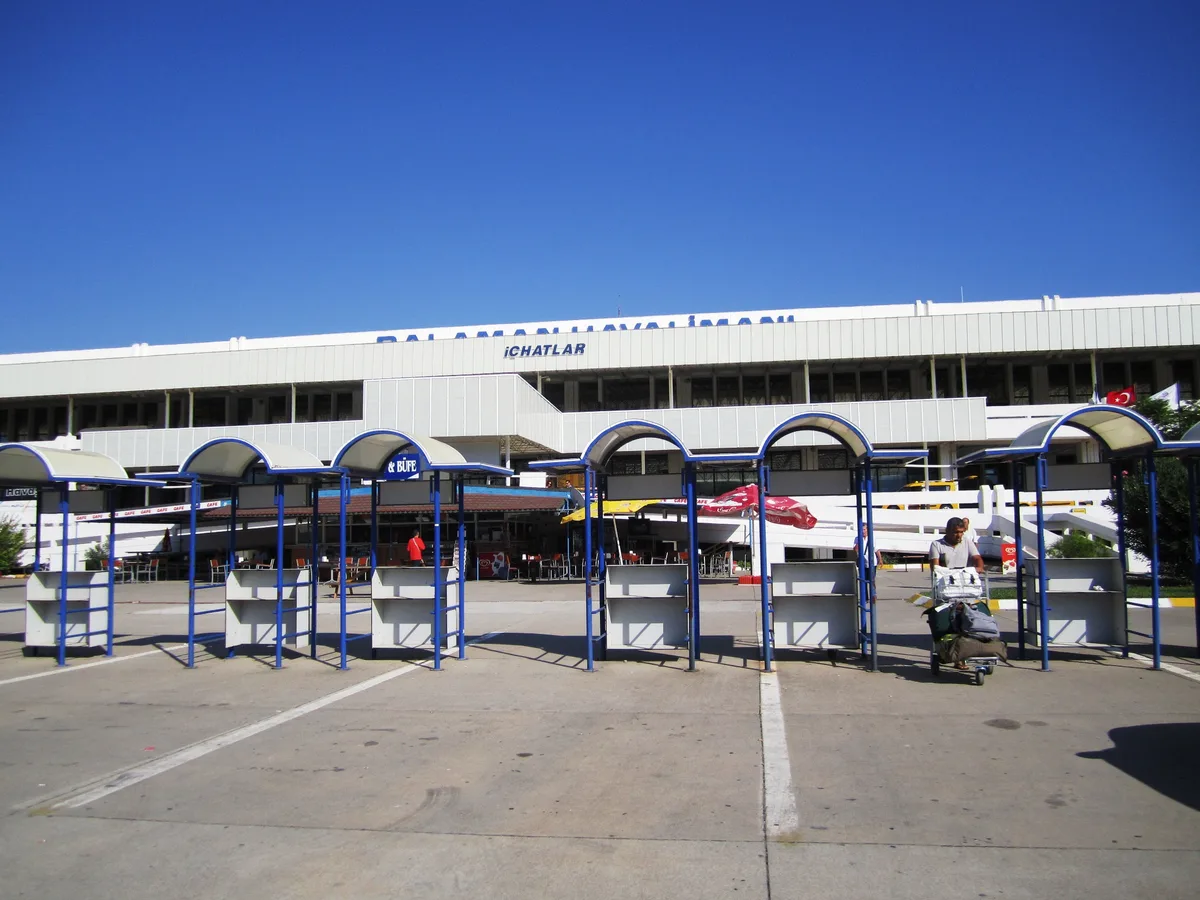
The Dalaman Airport handover guide explains how to allow room for these checks after a flight. Darkness, a crowded pickup point or impatient passengers are reasons to arrange a better inspection setting, not reasons to omit it.
Understand the incident sequence before driving away
Save the supplier's verified incident contact and keep the voucher accessible offline. Ask how to report an accident, damage discovered while parked, a breakdown and a warning that makes you question whether the car can continue.
The published Turkey conditions require immediate notification after an insured event and a police report unless otherwise agreed with the rental agent. Read the exact instructions and ask how to follow them in the circumstances. Do not independently decide that a minor event needs no documentation.
Put immediate safety first and use the appropriate emergency procedure when necessary. Then give the supplier a factual description: where the car is, what happened and what you can observe. Do not diagnose a mechanical fault or promise a settlement you are not authorised to arrange.
Ask how to proceed if the usual contact cannot immediately be reached. Keep any alternative verified channel provided with the booking and preserve your attempts to notify the supplier. Do not interpret a delayed reply as permission to skip a required report or approve repairs independently. Give the location and the immediate safety concern clearly so the responsible party can prioritise the response. Preparation of this communication route is useful even when you never need to use it.
Keep a short timeline of communications and instructions. This is especially useful when a road event interrupts travel between accommodation bases and more than one person is making arrangements. A clear sequence prevents important details from being lost in scattered messages.

Do not treat a breakdown as the same question as damage cover
A car that will not start, a warning light and accidental damage can require different responses. Ask the supplier whom to contact and whether recovery or repairs need prior approval. A statement about insurance alone does not establish the assistance process.
Describe symptoms and location accurately. If the vehicle may be unsafe, do not drive it merely to reach the hotel or keep a boat departure. The rental company needs to assess the next step.
If a replacement is arranged, check the new car's transmission, passenger space and essential equipment. Read the paperwork and create a fresh condition record. A replacement should not leave you uncertain about which car, protection and return instructions now apply.
Vrenty Car does not operate a roadside service or allocate vehicles. The supplier manages the car, while Localrent's official channels handle reservation matters within their role. Contacting the right party is part of an effective incident plan.
Review any separate cover you already hold
If you have travel, card-linked or standalone rental protection, read its own terms before assuming it duplicates the supplier's arrangement. Check the vehicle category, driver, country, rental duration and event eligibility relevant to your booking.
Ask whether you must decline or retain a particular supplier product, and whether the external provider requires documents you would need to obtain at the time. This guide does not recommend one product or establish that a specific policy applies to you.
Compare the process as well as the price. A reimbursement product can require an initial payment, invoices and evidence. If available funds are limited, that may influence the practical suitability even when the eventual claim could be eligible.
A hypothetical traveller with external cover may still need the supplier's incident report and damage invoice. Another may prefer a clearly understood supplier option. The decision depends on the verified wording and personal circumstances, not on the assumption that buying twice is always safer.
Use parking and loading habits that reduce avoidable problems
Select a space where doors can open and the group can load without pressing bags or equipment against the car. Take care with child restraints, rigid cases and wet beach items. Interior condition remains relevant even when the vehicle is used for an ordinary holiday.
Read parking signs and keep the vehicle on permitted surfaces. Do not squeeze into an uncertain verge or marina service lane simply because the final destination is close. A legal, workable space with a short walk can be the better choice.
If damage is noticed after a stop, preserve useful evidence and contact the supplier promptly. Do not assume that a scratch was pre-existing without comparing the collection record, or that it will be ignored because no deposit was taken.
These are practical precautions, not guarantees against a claim. Their value is that they help maintain the car responsibly and create a clearer record if an issue needs to be assessed.
Ask for a specific explanation of a proposed charge
At return, inspect with the representative where the procedure allows. If new damage is alleged, ask to see the exact area and compare the collection record. Request a written explanation of the item, amount and relevant agreement term.
Keep the invoice, receipts and any incident documents needed for a separate claim or enquiry. Ask whether a payment is a final charge, security transaction or another stage. Those categories can involve different processes.
The booking policy guide explains how to organise a reservation or return question. An editorial article cannot determine legal rights or guarantee a dispute outcome, but clear evidence helps the relevant provider assess the issue.
Do not assume that a security release proves every later matter is closed, or that a retained amount automatically proves fault. Ask the responsible party about the actual record and basis of the transaction.
Make the protection decision before the travel pressure begins
Review the offer when you have time to read it and compare alternatives. Write down the unresolved questions, obtain answers through verified channels and save them with the voucher. This makes the airport conversation a confirmation rather than the first serious review.
If a new protection option is offered at collection, compare it with what you already chose. Ask what changes and whether it is optional or linked to a condition you requested. Do not confuse an explanation of risk with a requirement that was never in the booking.
Vrenty Car's aim is to help you understand the arrangement before driving towards Fethiye, Marmaris or another base. Knowing the scope, possible payment and incident procedure is more useful than relying on one reassuring insurance phrase.
Questions & answers
Is the deposit the most I could ever pay?
Do not assume that. Security and liability serve different purposes. The agreement, protection and circumstances determine how a particular charge is treated.
Are wheels and glass covered automatically?
The published standard Turkey terms identify excluded components including wheels and windscreen. Check what the selected offer and any additional protection actually cover.
Should I report minor damage?
Follow the supplier's reporting requirements promptly. The apparent size of the damage does not by itself remove the need for notification or documents.
Can I arrange a repair myself?
Obtain the rental company's instructions before authorising work. An unapproved repair can complicate the assessment and the agreement.
Does Vrenty Car settle claims?
No. Vrenty Car provides practical information. The rental company, booking platform or relevant protection provider handles the matter within its own role and terms.